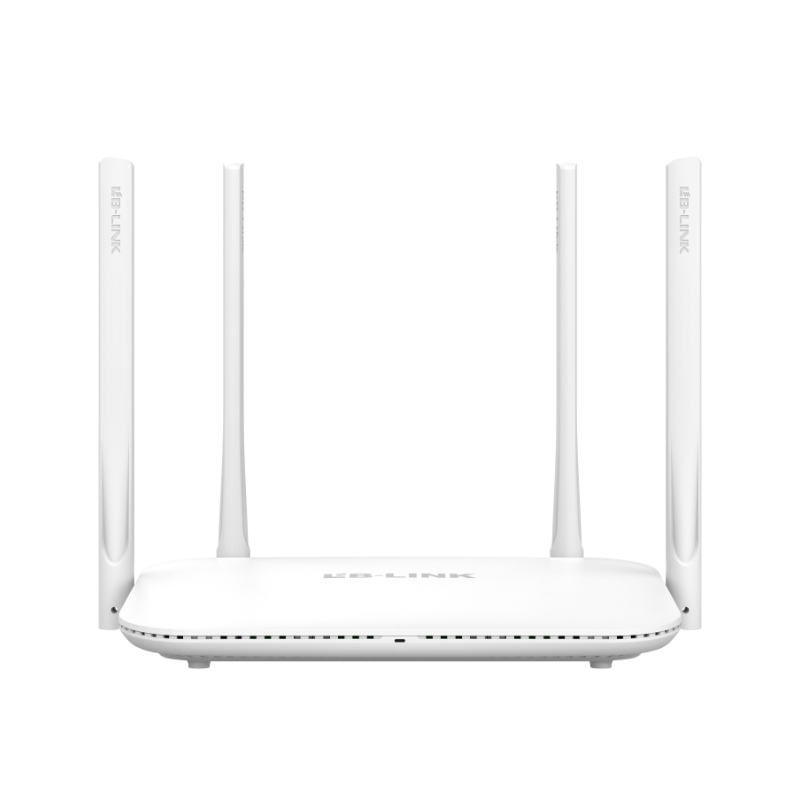
One bad router batch can destroy years of brand building. Manufacturing networking equipment is a high-stakes engineering challenge. A microscopic soldering error on a printed circuit board or a slight misalignment in radio frequency tuning can ruin device performance. Hundreds of tiny details must align perfectly before a product ever reaches a retail box.
Procuring basic home networking gear or enterprise-level gigabit devices requires the same level of scrutiny. A strict factory audit is the only reliable way to guarantee product consistency. Without rigorous oversight, you face high return rates, frustrated end-users, and damaged credibility.
This comprehensive guide details the exact quality control checkpoints veteran inspectors scrutinize on a modern Wi-Fi router assembly line. You will discover how raw materials are verified, how wireless performance is fine-tuned inside isolated chambers, and what it takes to ensure a device survives years of continuous network loads.
Industry Trends: The Shift to Data-Driven Traceability
Modern router manufacturing is rapidly shifting toward AI-driven defect detection and complete data traceability. Procurement teams no longer accept simple end-of-line sampling. Instead, the industry standard now demands Manufacturing Execution Systems that link every single MAC address to its specific thermal soldering profile and radio frequency calibration logs. This data-driven approach means if a field failure happens, engineers can isolate the exact production batch in minutes. Furthermore, automated optical inspection machines now utilize machine learning algorithms to detect false calls, significantly speeding up the surface mount technology phase while maintaining zero-defect tolerances.
Key Takeaways
Comprehensive Quality Control is Non-Negotiable: A proper audit covers everything from incoming material inspection to outgoing packaging verification.
Motherboard Precision: The internal processing core of the networking device is audited using automated optical inspection to prevent microscopic soldering defects.
Rigorous Signal Testing: Wireless performance is verified in isolated shielding chambers to ensure precise signal tuning for both dual-band and single-band devices.
Stress and Burn-In Procedures: Routers face extreme temperatures and continuous data traffic to guarantee hardware stability under heavy network loads.
Compliance Matters: Factory audits ensure every production unit meets global safety and wireless transmission standards.
Why Auditing the Assembly Line is Critical
Networking equipment represents a massive financial investment for procurement teams and distributors. Unlike simple consumer electronics, a wireless hub operates as an active continuous-duty device. It must manage complex data packets, thermal output, and radio frequencies simultaneously. Auditing the assembly line serves as a critical risk mitigation strategy rather than a mere procedural formality.
Protecting Brand Reputation and Reducing Returns
High return merchandise authorization rates directly kill profit margins. When a consumer experiences dropped connections or dead zones, the blame falls entirely on the brand printed on the box. An audited assembly line implements strict checkpoints that catch hardware and software defects long before units are packaged. Identifying issues like cold solder joints early in the production cycle helps manufacturers maintain a return rate well below the industry standard.
Ensuring Compliance with Global Wireless Standards
Wireless networking devices are heavily regulated worldwide. They must comply with strict local laws regarding radio interference, power output, and material safety. Devices entering the US market must adhere to FCC Part 15 regulations, while European markets require CE RED compliance. A rigorous assembly line audit verifies that mass-produced models perform identically to the original certified prototypes. This prevents legal and customs bottlenecks during global distribution.
Incoming Quality Control: Inspecting the Raw Materials
The foundation of a reliable networking device is established long before the hum of the assembly line begins. Incoming quality control acts as the factory's first line of defense. Inspectors use strict statistical sampling standards to verify the authenticity and physical condition of components arriving from upstream suppliers.
Circuit Board and Chipset Verification
The printed circuit board and core silicon chipsets dictate the processing power and lifespan of the router. Inspectors do not just glance at parts during this audit. They use precision calipers to measure bare boards for correct thickness and check for copper pad oxidation. Auditors verify batch numbers for processors and power supply components to prevent counterfeit parts from entering the supply chain. Electrical testing ensures components meet strict voltage tolerances.
Antenna and Housing Inspections
The physical exterior and signal transmission hardware are equally scrutinized. Inspectors test internal and external antennas using vector network analyzers to confirm correct 50-ohm impedance and gain specifications. A physical defect in an antenna will severely limit the router range. The plastic housing also undergoes mechanical audits. Inspectors check for injection molding defects like flash or sink marks, bending the plastic slightly to ensure it withstands assembly pressure without cracking.
Surface Mount Technology and Assembly Audit
The surface mount technology phase transforms bare boards into functional motherboards. Modern network hubs utilize highly compact designs with thousands of microscopic components. This makes the surface mount line the most technically delicate part of the assembly process. Auditing this stage requires advanced machinery and strict process controls.
Solder Paste Inspection
A stencil applies solder paste to the board pads before any components are placed. The solder paste inspection machine uses 3D scanning technology to audit the precise volume, height, and alignment of the paste. Low volume causes a cold solder joint, leading to intermittent electrical failures. Conversely, too much paste creates solder bridges between adjacent pins. This audit ensures printing parameters remain strictly within defined tolerances.
Automated Optical Inspection and X-Ray Testing
The board undergoes automated optical inspection once components are placed and pass through the blistering heat of the reflow soldering oven. High-resolution cameras and pattern-matching algorithms scan the board for missing parts, misaligned chips, or tombstoning.
High-performance routers utilize ball grid array chipsets where solder joints are hidden beneath the silicon itself. Factory auditors use X-ray inspection machines to peer through the chips and verify the integrity of these hidden connections. This guarantees there are no microscopic air voids that could cause the router to fail under thermal stress.
Firmware Flashing and Initial Power-On Testing
Hardware is entirely useless without its digital brain. Transitioning from a piece of assembled circuitry to a functional networking device requires precise software installation. The firmware flashing and initial power-on phase serves as a critical audit checkpoint that validates the core functionality of the motherboard.
Secure Firmware Installation
Auditors monitor the automated systems that flash the operating system onto the memory chip during this stage. The audit ensures the correct highly secure firmware version is installed according to exact buyer specifications. Inspectors verify that unique identifiers like the MAC address and specific serial numbers are successfully written into the non-volatile memory. Checksums are calculated to guarantee the firmware file was not corrupted during transfer.
The First Boot and LED Diagnostics
The board undergoes its first power-on test immediately following firmware installation. The testing jig supplies power while automated systems verify the boot sequence. Inspectors check if the board draws the correct amount of current. The LED indicator lights are also audited. Engineers verify that the general-purpose input pins correctly trigger the LEDs to match design specifications for color and intensity. A failure here often points to a faulty power regulation circuit.
Radio Frequency Calibration and Wireless Performance Testing
Radio frequency calibration is the most crucial audit step specific to wireless networking devices. Factory floors are flooded with electronic noise and interference from heavy machinery. Therefore, signal testing cannot be conducted in the open. Routers are placed inside specialized shielding boxes connected to advanced testing equipment. This isolates the device and allows engineers to accurately measure true signal strength, throughput, and error rates.
Testing High-Speed Dual-Band Devices
Modern network demands require high-throughput hardware. Auditing these devices requires complex multi-band testing. When evaluating a high-performance AC1200 Wireless Dual Band Gigabit Router, engineers must verify the independent performance of its high-gain antennas and gigabit ethernet ports. The 2.4GHz and 5GHz frequencies are tested entirely independently.
Auditors measure the error vector magnitude to indicate the clarity of the modulated signal. A high error value means the signal is noisy, resulting in sluggish speeds for the end-user. They also test transmit power and receive sensitivity to ensure the device can broadcast a strong 867Mbps signal on the 5GHz band while clearly hearing weak signals from mobile devices.
Validating Legacy and Broadband Standards
Not all deployments require gigabit speeds, but rock-solid reliability remains paramount across all product tiers. Cost-effective models like the N300 Wireless Broadband Router operate exclusively on the 2.4GHz band. During the audit of these single-band devices, the focus shifts heavily toward signal penetration, stability, and adherence to standard protocols. Inspectors verify that the 2.4GHz signal maintains a stable 300Mbps throughput over extended durations. This ensures everyday users experience zero dropouts during basic web browsing through physical walls.
Final Assembly and Housing Checks
The motherboard moves to the final assembly line to be enclosed in its plastic shell once it passes all electronic testing. While this phase seems straightforward, physical assembly errors can cause severe usability issues for the end consumer.
Port Alignment and Physical Connectivity
Inspectors carefully audit the alignment of physical interfaces. The wide area network ports, local area network ports, power jacks, and recessed reset buttons must align perfectly with the cutouts in the casing. Auditors perform physical insertion tests. They listen for the satisfying click of a network cable locking securely into place. Misaligned ports frustrate users and can cause internal board damage if a cable is forced into a poorly fitted slot.
Antenna Attachment and Casing Integrity
The attachment of antennas is thoroughly verified. Connections must be secure whether the design uses fixed external antennas or internal variants. Loose antenna wires inside the casing lead to massive signal attenuation. Inspectors check the physical casing itself to ensure snap-fit joints are fully engaged. Screws must be tightened to correct torque specs to guarantee there are no rattling components inside the finished unit.
Stress Testing and Burn-In Procedures
Electronic components have a known tendency to fail either very early in their lifespan or much later. A reputable assembly line implements rigorous stress testing and burn-in procedures to prevent early-life failures from reaching the consumer. This proves the hardware can survive real-world environmental conditions and constant continuous operation.
Thermal and Environmental Testing
A calculated sample of fully assembled routers is taken from the production line and placed into a specialized burn-in room. The devices are powered on and subjected to elevated temperatures ranging from 40 degrees to 60 degrees Celsius for a continuous period of 12 to 24 hours. This thermal stress test forces weak solder joints to expand and fail. Units that survive the burn-in test without rebooting prove their long-term hardware stability.
Heavy Load and Traffic Simulation
Heat is not the only stress factor. Network load is equally taxing on the processor. Auditors use network traffic generators to simulate dozens of client devices connecting simultaneously during the burn-in phase. When evaluating an AC1200 Wireless Dual Band Smart Router, they flood the network with maximum data traffic. This simulates heavy downloading and 4K streaming. This heavy load test ensures the processor and memory do not become overwhelmed, preventing firmware crashes under peak user demand.
Actionable Selection Guide: Audit Standards by Router Tier
To help procurement teams understand what to look for in factory audit reports, we have compiled the core testing differences based on equipment tiers. Use this matrix to verify your manufacturer is applying the correct quality control depth.
Router Tier
Primary RF Focus
Load Simulation Standard
Burn-In Duration
N300 Single-Band
2.4GHz wall penetration & stability
Basic web traffic & multi-device idle
4 to 8 Hours
AC1200 Smart Router
Dual-band interference isolation
Sustained 4K video streaming
8 to 12 Hours
AC1200 Gigabit Router
High-throughput error vector magnitude
Maximum gigabit WAN/LAN saturation
12 to 24 Hours
Outgoing Quality Control and Packaging Audits
The outgoing quality control audit is the definitive checkpoint before pallets are loaded onto shipping containers. Hardware might perform flawlessly, but incorrect packaging or missing accessories will trigger instant customer dissatisfaction.
Visual Inspection and Accessory Verification
Inspectors perform a final visual sweep to check for cosmetic flaws, scratches, or fingerprints acquired during assembly. They systematically verify the contents of the retail box. This ensures the presence of the correct regional power adapter, required cables, and documentation. Auditors strictly verify that the MAC address, serial number, and default password printed on the bottom label perfectly match the data printed on the exterior retail box.
Drop Tests and Palletization
The packaging itself is audited to guarantee the product survives rough global logistics. Inspectors conduct standardized drop tests from specific heights onto corners, edges, and faces. The box is then opened to verify the internal pulp tray adequately protected the device from physical damage. The palletization process is audited to ensure master cartons are stacked correctly and wrapped securely.
FAQ
Do factories test every single Wi-Fi router or just a random batch?
Factories employ a hybrid approach depending on the specific phase of the assembly line. Critical functional tests like firmware booting, initial LED diagnostics, basic signal calibration, and physical port connectivity are subject to 100 percent testing. Time-intensive and destructive tests like extreme thermal burn-in, heavy traffic simulation, and packaging drop tests are conducted using acceptable quality limit batch testing. A statistically significant random sample is pulled. The entire batch is flagged for rework if the defect rate exceeds the agreed threshold.
Why is a shielding box necessary during the assembly line audit?
A manufacturing facility is an environment saturated with electromagnetic interference. Hundreds of machines, testing equipment, and neighboring devices emit electronic noise that can severely distort wireless signal readings. A shielding box acts as a Faraday cage to completely isolate the router from external radio waves. This isolation allows testing equipment to accurately measure true transmission power, receiver sensitivity, and throughput without outside interference.
What is the difference in testing a dual-band router versus a single-band router?
The complexity of the audit scales with the technology. A single-band router operates solely on the legacy 2.4GHz frequency, so testing focuses on maximizing signal penetration and stability in environments prone to interference. A dual-band router utilizes both 2.4GHz and 5GHz bands. Auditors must conduct dual-frequency calibration to ensure the 5GHz band delivers high-speed low-latency performance for streaming while the 2.4GHz band maintains broad coverage. Dual-band devices also require more rigorous processor load testing.
What is the standard acceptable defect rate in router manufacturing?
Top-tier networking manufacturers aim for a field failure rate of less than 1 percent. On the assembly line, the acceptable quality limit for major functional defects is typically set at 0.65 or lower. Cosmetic defects might have a slightly more lenient threshold of 1.5. Strict incoming material inspections and automated optical scanning are the primary tools used to keep these defect rates as close to zero as possible.
How do you audit firmware security during assembly?
Firmware security is audited through cryptographic checksum verification. When the automated flashing jig writes the operating system to the memory chip, the system calculates a hash value. This value is instantly compared against the golden sample provided by the engineering team. If the hashes do not match exactly, it indicates data corruption or unauthorized code injection, and the board is immediately rejected.
Conclusion
Manufacturing high-quality networking equipment goes far beyond merely assembling plastic and silicon. It requires a stringent multi-layered audit process encompassing everything from raw material verification and microscopic precision to isolated signal testing and final packaging checks.
Navigating this complexity means procurement teams must always request detailed standard operating procedures and factory audit reports from potential partners. Choosing a manufacturer with a transparent and rigorous assembly line audit is the ultimate key to protecting your margins. Explore the complete range of high-performance networking solutions at LB-Link to guarantee seamless, uninterrupted connectivity for your end-users.
Guangming District, Shenzhen, as a research and development and market service base, and equipped with more than 10,000m² automated production workshops and logistics warehousing centers.